Privatøkonomi er et tema som gjelder mer eller mindre alle norske husholdninger. Har du kontroll på økonomien din? Vet du hvor mye du betaler i husleie, strømregning og andre utgifter? Enten du har kontroll eller er «helt i svime», så kan en app for smarttelefonen eller nettbrettet hjelpe deg med din personlige økonomi. Her anbefaler vi 4 slike apps!
Budsjett & Utgifter (Android)
Appen «Budsjett & Utgifter» (som heter HandWallet Expense Manager opprinnelig) er en av de mest populære i Google Play. Den har over én million nedlastinger, og har blitt vurdert til 4/5 stjerner av hele 17 000 brukere. Det indikerer at dette er en app som virkelig kan gi deg oversikt over din personlige økonomi. Appen har mange muligheter for avanserte budsjetter, og med appen installert på mobilen er det enkelt å gjøre endringer/oppdateringer i budsjettet.
Mobilbanker
En annen app som alle bør ha installert på smarttelefonen sin, er mobilbanken. Dette tilbys av mer eller mindre alle norske banker, og gir deg enkelt tilgang til nettbanken. Det gir deg total oversikt over din personlige økonomi i form av hvor mye penger du har på konto til enhver tid, samtidig som man også kan se hvordan man ligger an i forhold til gjeld, betalinger til forfall, forsikringer og så videre. I dagens digitale verden er det ekstremt viktig å alltid ha tilgang til slik informasjon!
Valutakurser
Reiser du mye utenlands? I så fall bør du laste ned en app av typen «valutakurser». Det finnes mange slike apper både for Android (Google Play) og Apple-enheter (Apple Store). Disse er spesielt gunstige å ha med seg på reise, og kan gjøre mye for din personlige økonomi når du faktisk vet hvor mye ting koster i utlandet. Har du telefonen med deg så kan du enkelt konverter et beløp i utenlands valuta til norske kroner mens du står og pruter med selgeren. En enkel måte å spare penger på!
Mint
Et annet busjetteringsverktøy for smarttelefoner og nettbrett er appen Mint. Også dette er et verktøy maed mange muligheter, der du enkelt kan legge inn utgifter løpende. Denne appen er optimalt for deg som vil loggføre utgifter og inntekter hver eneste dag, slik at du kan holde følge med budsjettet. Appen gir deg alt fra kategorier til diagrammer og mye mer, og er forholdsvis enkel å bruke når man først har satt seg inn i de mange funksjonene som tilbys.
De aller fleste kredittkort gir brukeren gode rabatter, bonuser eller cashback i utvalgte butikker som bankene samarbeider med. For å få godskrevet rabatten må man betale med kredittkortet, og beløpet blir tilbakeført til korteiers konto i ettertid. Vanligvis kan man få 1 – 10% rabatt på varekjøp i utvalgte butikker eller innen spesielle varekategorier.
Det anbefales å benytte kredittkort ved netthandel, da kredittkortselskapene er beskyttet av Finansavtaleloven. Dette betyr at dersom man opplever å bli svindlet på nett ved kjøp av varer eller tjenester, vil man få pengene tilbake. Det er derfor tryggere å bruke kredittkort på netthandel enn et vanlig debetkort.
En rekke kredittkort tilbyr spesielt gode rabatter når man handler på nett, og nedenfor kan du lese mer om noen av de mest populære.
Komplett Bank MasterCard
Komplett Bank MasterCard er et kredittkort som egner seg utmerket for kjøp av varer eller tjenester i nettbutikker. Maksimum kredittgrense er kr. 100.000,-, og korteiere får inntil 50 dagers rentefri kreditt på alle varekjøp. Ved bruk av kortet tjener man automatisk bonuspoeng, og 1 bonuspoeng tilsvarer 1 krone. Maksimum opptjening pr. måned er 500 poeng, og maks poeng pr. år er satt til 2000.
Oppspart bonus tilbakeføres til korteiers MasterCard-konto i ettertid.
Komplett Bank MasterCard gir korteier 6% bonus i nettbutikkene Komplett.no og Blush.no. I tillegg får man 2% bonus på alle andre internett-varekjøp.
Nettbutikkene der man oppnår størst rabatt er altså Komplett.no og Blush.no. Begge nettbutikkene har et bredt utvalg av populære varer – deriblant pc’er, nettbrett, mobiltelefoner, spill, fritidsutstyr, hår- og hudpleie, kosmetikk, solbriller, interiør og accessoirer.
Re:member MasterCard
Med Re:member MasterCard kan man få godkjent en kredittgrense på opptil 150.000,-. Handler man varer i nettbutikker eller vanlige forretninger får man inntil 45 dagers rentefri betalingsutsettelse.
Re:member tilbyr alle sine kunder fordelsprogrammet Re:member Reward, der man får opptil 25% rabatt på varekjøp i rundt 220 forskjellige nettbutikker. Rabatten blir godskrevet kredittkortets konto i ettertid. Re:member Reward har et variert utvalg av nettbutikker, og man kan bl.a. velge å få rabatt på flyreiser, hotell, feriehus, hvitevarer, biltilbehør, fritid, klær, sko, bredbånd, interiør, helseprodukter, kosmetikk, spill, data og mobiltelefoner.
Bank Norwegian Visa
Kredittkortet fra Bank Norwegian er spesielt gunstig for deg som reiser ofte med fly – og spesielt da Norwegian. Man opptjener bonuspoeng, såkalte cashpoints gjennom programmet “Norwegian Reward”, og 1 cashpoint tilsvarer 1 krone. Kjøper man flybilletter på nett gjennom Norwegian, vil man få 20% cashpoints i rabatt på Flex-billetter og 5% rabatt på LowFare-billetter. Rabatten gjelder kun dersom man betaler med sitt Bank Norwegian Visa-kort.
Utover flybilletter får man 1% rabatt i form av cashpoints på all netthandel foretatt i fordelsprogrammets e-shop. Her kan man velge mellom 150 nettbutikker, og noen av nettbutikkene er Lekmer, Apple Store, Yves Rocher, Cdon, Boots, Nelly og Tanum. Man kan dermed opptjene poeng på netthandel i en rekke varekategorier, og det eneste som kreves er at man registrerer seg hos Norwegian Reward og betaler med kredittkortet. Man mottar sine opptjente cashpoints i løpet av 90 dager etter varekjøpet.
Cashpoints kan kun brukes til å betale sin neste flyreise med Norwegian helt eller delvis. Man får dermed ikke penger tilbake, men kan spare poeng til å få billigere flyreiser.
Bank Norwegian Visa har en maksimum kredittgrense på kr. 100.000,-, og korteiere får opptil 45 dagers rentefri kreditt på alle varekjøp.
Santander Red Visa
Et kredittkort fra Santander gir korteier tilgang på fordelsprogrammet “Kickback”. Her får man 2 – 30% rabatt på varekjøp i over 200 utvalgte nettbutikker. Man kan velge mellom et bredt utvalg av nettbutikker – der man bl.a. kan handle elektronikk, produkter til hus og hjem, moteklær, reiser, hotellovernattinger, velvære, sko og underholdning. Rabattsummen tilbakeføres til kredittkort-kontoen i ettertid.
Alle som handler varer eller tjenester med sitt kredittkort fra Santander får opptil 50 dagers rentefri betalingsutsettelse. Santander Red Visa har en maksimum kredittgrense på kr. 100.000,-. Minste kredittbeløp er satt til kr. 10.000,-.
Gebyrfri Visa Gold
Kredittkortet Gebyrfri Visa Gold utstedes av Santander Consumer Bank, og tilbyr opptil 50 dagers rentefri kreditt på alle varekjøp. Maksimum kredittramme er kr. 100.000,-.
I likhet med Santander Red Visa gir også Gebyrfri Visa Gold korteiere tilgang på fordelsprogrammet “Kickback”. Korteiere får her 2 – 30% rabatt på varekjøp i over 200 utvalgte nettbutikker – bl.a. Cdon, Euroflorist, KLM, Lenson, Nelly, Ellos og Vero Moda. En forutsetning for å få rabatt er at man benytter sitt kredittkort når man handler i nettbutikkene. Rabatten blir tilbakeført til Gebyrfri Visa Gold-kontoen i ettertid.
yA Bank Visa
yA Bank Visa er et gebyrfritt kredittkort som lover 50 dagers rentefri kreditt på alle varekjøp. Banken har i tillegg et fordelsprogram der man får rabatt på bestemte varegrupper når man handler med kredittkortet. Rabattene gjelder også på varekjøp på nett, og prosentrabatten varierer fra måned til måned. Jevnt over får man mellom 2 og 10% rabatt. I mars 2016 kunne man f.eks. velge å få 5% rabatt på all netthandel. Rabatten gis i form av cashback, og beløpet blir tilbakeført til kredittkortkontoen i ettertid.
Maksimum kredittgrense på et kredittkort fra yA Bank er kr. 100.000,-.


 Appen «Budsjett & Utgifter» (som heter HandWallet Expense Manager opprinnelig) er en av de mest populære i Google Play. Den har over én million nedlastinger, og har blitt vurdert til 4/5 stjerner av hele 17 000 brukere. Det indikerer at dette er en app som virkelig kan gi deg oversikt over din personlige økonomi. Appen har mange muligheter for avanserte budsjetter, og med appen installert på mobilen er det enkelt å gjøre endringer/oppdateringer i budsjettet.


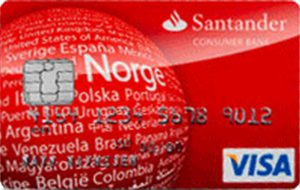 Et kredittkort fra Santander gir korteier tilgang på fordelsprogrammet “Kickback”. Her får man 2 – 30% rabatt på varekjøp i over 200 utvalgte nettbutikker. Man kan velge mellom et bredt utvalg av nettbutikker – der man bl.a. kan handle elektronikk, produkter til hus og hjem, moteklær, reiser, hotellovernattinger, velvære, sko og underholdning. Rabattsummen tilbakeføres til kredittkort-kontoen i ettertid.